
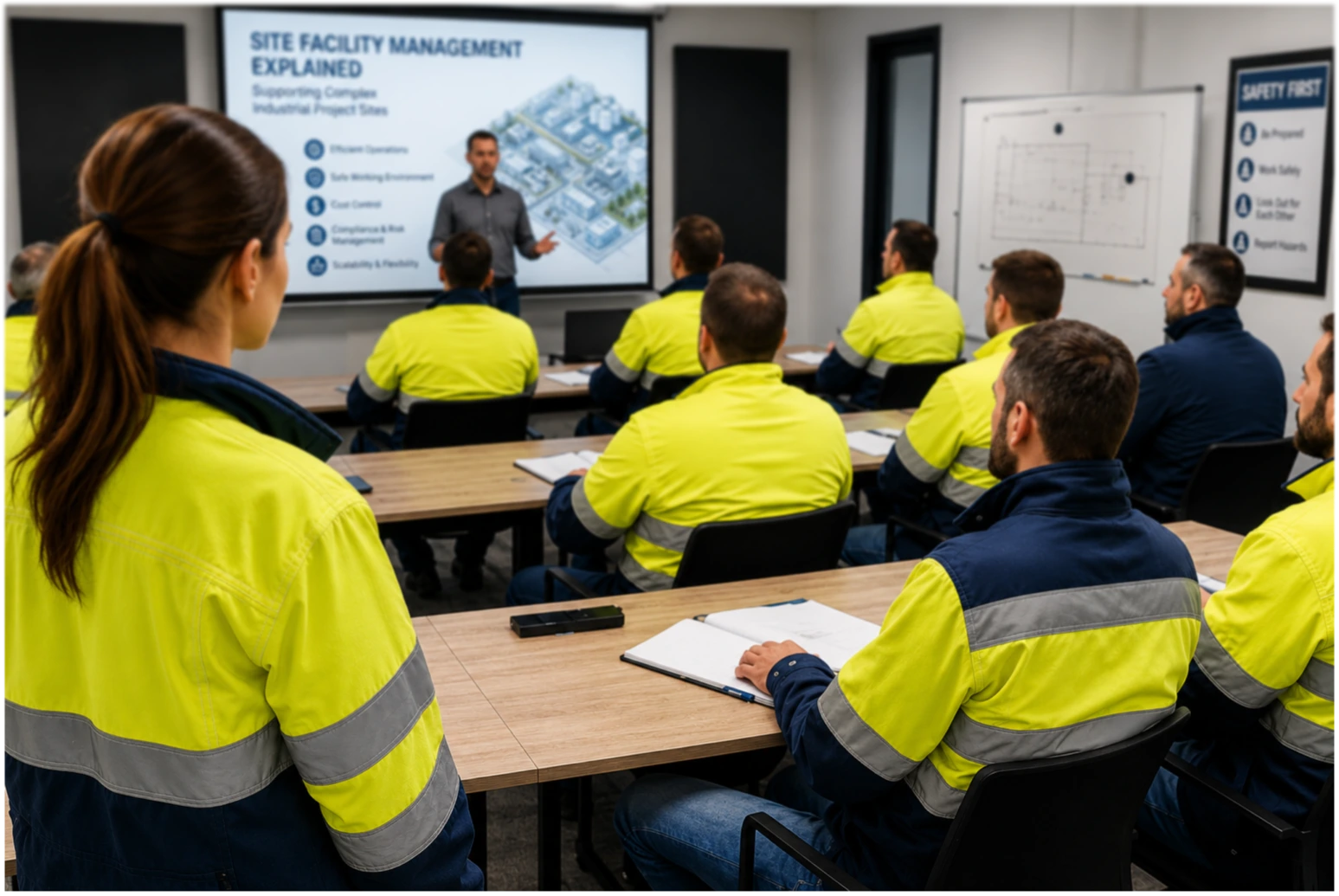
Site Facility Management Explained: Supporting Complex Industrial Project Sites
Category:
Facility management
Date:
02 June 2026
Listen to a one-minute article recap.
The essentials before you dive in.
Site Facility Management Explained: Supporting Complex Industrial Project Sites
On complex industrial projects, what happens around the workfront is often just as important as the construction activities themselves. Temporary facilities, utilities, workforce services and logistics all need to operate together seamlessly to keep projects safe, efficient and on schedule.
This is where site facility management becomes critical.
From remote energy developments to large-scale infrastructure and industrial construction sites, effective site facility management creates the operational backbone that allows EPC contractors, project owners and workforce teams to focus on execution without disruption.
For companies operating in demanding environments, site facilities are not simply temporary support functions — they are a strategic part of overall project performance.
What Is Site Facility Management?
Site facility management covers the planning, operation and coordination of the temporary infrastructure and support services required to keep a project site fully operational throughout the construction lifecycle.
This typically includes:
- Temporary Construction Facilities (TCF)
- Workforce accommodation camps
- Temporary power, water and wastewater systems
- Internal and external logistics
- Workforce rotation and mobilisation services
- Catering and food supply
- Cleaning and laundry services
- Safety and security services
- Waste management and environmental support
- Local transportation coordination
On industrial projects with large workforces and fast-moving schedules, these services must function reliably every day, often in remote locations with limited existing infrastructure.
Poor coordination can quickly affect productivity, HSE performance and project timelines.
Well-managed site facilities, on the other hand, help create stable working and living conditions that support safe and efficient project execution from mobilisation through demobilisation.
Why Site Facility Management Matters on Industrial Projects
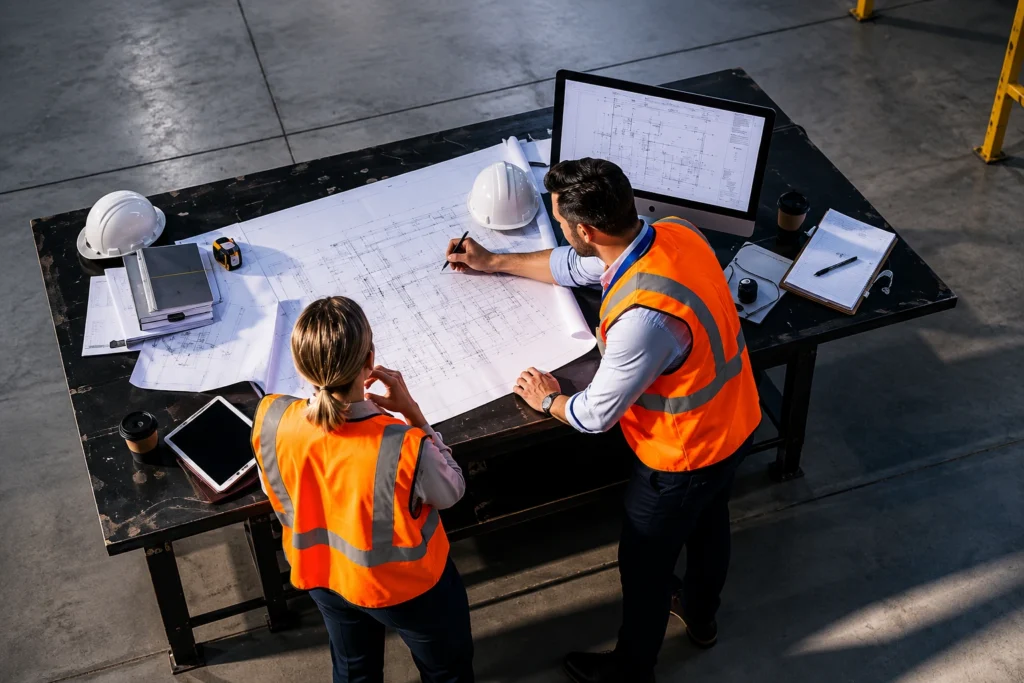
Large industrial projects combine several operational challenges at the same time:
- High workforce numbers
- Strict HSE requirements
- Remote or logistically difficult locations
- Multiple contractors working simultaneously
- Constant changes in project phasing and workforce capacity
Without proper planning and management of facilities and support services, projects can experience:
- Delays caused by insufficient utilities or congested logistics
- Increased safety risks around transport and site access
- Higher operational costs from reactive temporary solutions
- Reduced workforce productivity and morale
- Difficulties maintaining compliance with international standards
Site facility management reduces these risks by ensuring that all supporting infrastructure evolves together with the project itself.
This becomes especially important during peak construction phases, where workforce numbers, utility demand and transport requirements can increase rapidly within short timeframes.
The Key Components of Effective Site Facility Management
Temporary Construction Facilities and Workforce Camps
Temporary facilities create the environment in which project teams operate daily.
Depending on the project scope, this may include:
- Offices and meeting facilities
- Warehouses and storage areas
- Workshops and maintenance zones
- Welfare facilities and canteens
- Medical and first aid units
- Accommodation camps and recreation areas
Effective facility management ensures these areas are:
- Properly sized for current and future workforce demands
- Organised in safe and efficient layouts
- Built and operated according to HSE and hygiene standards
- Flexible enough to adapt as project phases evolve
On remote industrial projects, scalable camp and TCF solutions are often essential to maintaining uninterrupted operations.
Internal and External Logistics
Industrial project sites depend on constant movement of both people and materials.
Site facility management helps coordinate:
Internal Logistics
- Shuttle transport
- Vehicle routing
- Parking areas
- Pedestrian separation
- Internal material flows
External Logistics and Workforce Mobility
For international industrial projects, external logistics extends far beyond transportation of materials and equipment. One of the most critical success factors is the ability to move people safely, efficiently and on schedule throughout the project lifecycle.
Site support teams often coordinate the entire workforce mobility process, including:
- International workforce mobilisation and demobilisation
- Airport meet & greet services
- Flight and travel coordination
- Crew change and rotation planning
- Visa and immigration support
- Accommodation allocation and occupancy management
- Local transport arrangements
- Emergency travel and contingency planning
Managing these activities requires continuous coordination between project management teams, HR departments, local authorities, accommodation providers and transportation partners.
When workforce logistics are properly managed, projects benefit from smoother mobilisations, reduced downtime, improved workforce satisfaction and more predictable operational performance.
For international projects operating in remote or developing regions, workforce mobility management often becomes as important as the movement of materials and equipment themselves.
Local Transportation Services
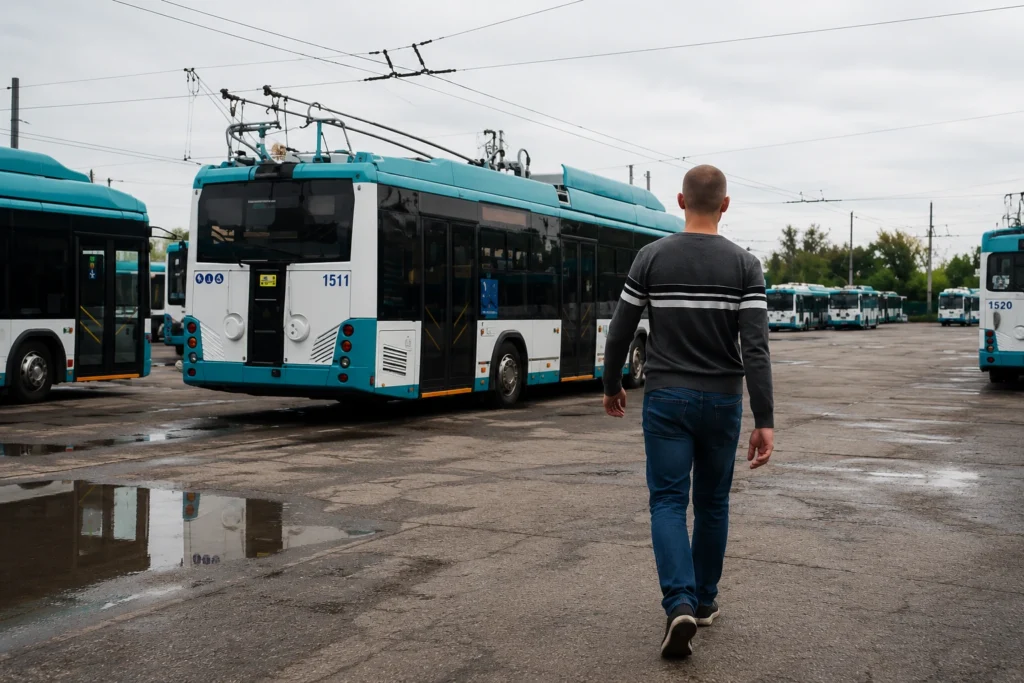
Reliable local transportation is essential for maintaining uninterrupted project operations and ensuring workforce safety.
Beyond simple shuttle services, transportation management involves the coordination of daily movements between accommodation facilities, project sites, airports, training centres, medical facilities and nearby communities.
Typical services include:
- Workforce shuttle operations
- Airport transfer coordination
- Crew transportation linked to rotation schedules
- VIP and management transportation
- Bus fleet and driver management
- Journey management and route planning
- Transport safety monitoring
- Emergency transportation support
In remote locations, where public infrastructure may be limited, effective transportation planning helps reduce delays, improve workforce punctuality and strengthen overall HSE performance.
Workforce Rotations and Crew Change Management
Industrial projects frequently operate with rotational workforces, making crew change management a critical operational function.
Delays in workforce rotations can impact productivity, increase operational costs and create significant scheduling challenges. Successful rotation management therefore requires detailed planning and continuous coordination across multiple service providers.
Key activities typically include:
- Rotation planning and scheduling
- Crew change coordination
- International and domestic travel arrangements
- Airport reception services
- Accommodation bookings and allocations
- Travel documentation support
- Workforce tracking and reporting
- Emergency replacement and contingency arrangements
By integrating transportation, accommodation and workforce planning into a single coordinated process, projects can maintain workforce continuity while reducing administrative complexity and operational risk.
Accommodation and Workforce Welfare Services
Accommodation services play a fundamental role in supporting workforce well-being and maintaining operational stability throughout the construction lifecycle.
For large industrial projects, accommodation management involves much more than providing housing capacity. It requires the creation of safe, comfortable and well-managed living environments that support workforce productivity and morale.
Services may include:
- Camp operations and maintenance
- Accommodation planning and allocation
- Occupancy management
- Housekeeping and laundry services
- Catering and food services
- Recreation and welfare facilities
- Medical support services
- Internet and communication infrastructure
- HSE and hygiene compliance
Particularly on remote projects, accommodation quality has a direct influence on workforce retention, satisfaction and overall project performance.
Integration with Local Communities and Regional Networks
Successful project delivery depends not only on internal operations but also on the ability to integrate effectively within the local environment.
Strong engagement with local communities, suppliers and authorities helps create a more sustainable and efficient operating framework while supporting compliance and reducing project risks.
This may include:
- Collaboration with local suppliers and service providers
- Engagement with local authorities and regulatory bodies
- Support for local transportation networks
- Recruitment and development of local workforce
- Coordination of community-related initiatives
- Compliance with local labour and environmental requirements
- Cultural integration and awareness programs
Projects that establish strong local partnerships often benefit from improved operational flexibility, faster problem resolution and stronger stakeholder relationships throughout the project lifecycle.
Managing Site Facilities Across the Project Lifecycle

Early Project Phases
During mobilisation and early project development, priorities typically focus on establishing the operational framework required to support future construction activities.
This includes:
- Feasibility studies and site assessments
- Accommodation and camp planning
- Workforce mobilisation strategy
- Transportation and logistics planning
- Local supplier identification
- Community and stakeholder engagement
- Utility and infrastructure planning
Decisions taken during this stage often determine the long-term efficiency and scalability of site operations.
Peak Construction
As workforce numbers increase and project activities accelerate, operational priorities shift toward maintaining reliability, flexibility and workforce support.
Key focus areas include:
- Daily workforce logistics coordination
- Rotation and crew change management
- Accommodation occupancy management
- Local transportation services
- Continuous facility maintenance
- HSE performance monitoring
- Capacity scaling and resource optimisation
At peak construction, even minor disruptions in workforce logistics, accommodation or transportation can have a significant impact on productivity and project schedules.
Demobilisation
As construction activities wind down, site facility management supports:
- Gradual reduction of camp and TCF capacity
- Utility decommissioning
- Waste removal and environmental restoration
- Site reinstatement activities
Proper demobilisation planning helps control costs while ensuring compliance with environmental and contractual obligations.
How R&C Globe Supports Complex Project Sites
R&C Globe provides integrated operational support services for industrial and infrastructure projects operating in demanding environments worldwide.
The company supports EPC contractors and project owners through a combination of:
- Temporary Construction Facilities and camp solutions
- Workforce accommodation and camp management
- Internal and external logistics coordination
- Workforce mobilisation and rotation services
- Local transportation management
- Manpower and HR logistics support
- Catering, housekeeping and welfare services
- Safety, security and environmental support
With experience across oil & gas, infrastructure, mining, chemicals and power generation projects, R&C Globe helps clients maintain efficient, compliant and fully operational project sites throughout every project phase.
A key strength of the company is its ability to coordinate both international project requirements and local operational realities — combining global project standards with regional logistics networks, local suppliers and workforce integration.
By managing these services as one coordinated support structure, R&C Globe helps reduce operational complexity, improve workforce stability and maintain uninterrupted project execution from mobilisation to demobilisation.
Final Thoughts
In complex industrial environments, successful project execution depends on much more than construction activities alone.
Well-managed site facilities create the foundation that allows people, equipment, logistics and operations to function together safely and efficiently.
When temporary infrastructure, workforce support and logistics are planned as part of the overall project strategy — rather than treated as isolated services — industrial projects are better positioned to maintain productivity, control costs and meet demanding delivery schedules.
For EPC contractors and project owners operating in challenging environments, effective site facility management is not simply operational support.
It is a critical component of project success.
Share:
More from the Blog

Our expertise

From Concept to Execution: Strategic Insights for Informed Decisions

Smart Site Solutions to Support Seamless Project Execution

